
Veterinary Diagnostics in Escondido, CA
Village Veterinary Hospital offers veterinary diagnostics for dogs and cats in Escondido, CA, including in-house laboratory testing, digital imaging, and ultrasound. These tools give our veterinarians additional information when evaluating symptoms, monitoring health concerns, or planning appropriate care.
Clearer Information for Informed Care
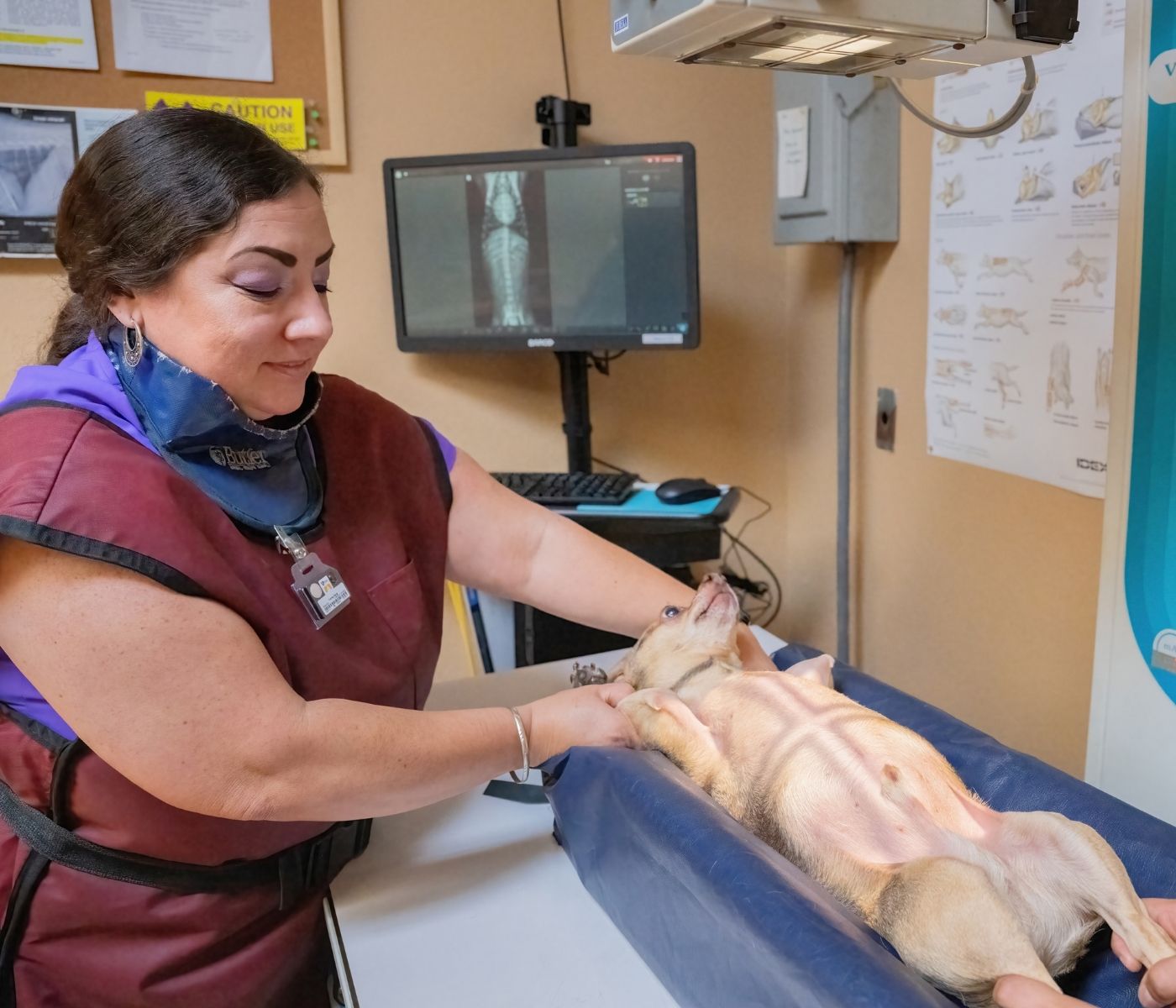
Diagnostic Tools Available at Our Hospital
Our veterinary team selects diagnostic tools based on each patient’s condition rather than following the same process for every pet. Before testing, the veterinarian can explain what is being recommended, why it may be useful, and what the results may help clarify.
In-House Laboratory
Laboratory testing can evaluate samples and provide information that supports diagnosis, health monitoring, and treatment planning for dogs and cats.
Imaging & Ultrasound
Digital imaging and ultrasound allow veterinarians to examine internal structures and investigate concerns that cannot be evaluated from the outside.
What Happens After Diagnostic Testing
Test results help shape the next conversation about your pet’s care.
The veterinarian will interpret available results alongside your pet’s examination and medical history. Findings may lead to monitoring, treatment, additional testing, or a discussion about options such as general veterinary surgery. Diagnostics may also support ongoing pet wellness care. Review our complete veterinary services for related care.

Explanation
Your veterinarian will discuss available findings in clear language and explain how they relate to your pet’s symptoms or health concerns.

Next Steps
Recommendations may include treatment, monitoring, further evaluation, or another care option based on the information available.

Veterinary Diagnostic FAQs
When might my pet need diagnostic testing?
What diagnostic services are available at Village Veterinary Hospital?
Will diagnostic results be available immediately?
Will my pet need sedation or anesthesia for diagnostic testing?
Can one diagnostic test identify every health problem?
No single test can answer every clinical question. Veterinarians interpret diagnostic results alongside the physical examination and medical history. Additional testing, monitoring, or referral may sometimes be recommended when more information is needed.