Pet Surgery in Escondido, CA

Village Veterinary Hospital provides general surgery for dogs and cats in Escondido, CA. Our veterinarians perform procedures such as mass removals, foreign-body surgery, and cystotomy with individualized planning, clear communication, and careful attention to each patient’s needs.

When General Surgery May Be Recommended
Surgery may be recommended to remove an abnormal mass, retrieve a swallowed object, address a bladder concern through cystotomy, or manage another condition requiring a procedure. Before moving forward, the veterinarian will evaluate your pet, discuss why surgery is being considered, and explain the expected benefits, limitations, and potential risks.
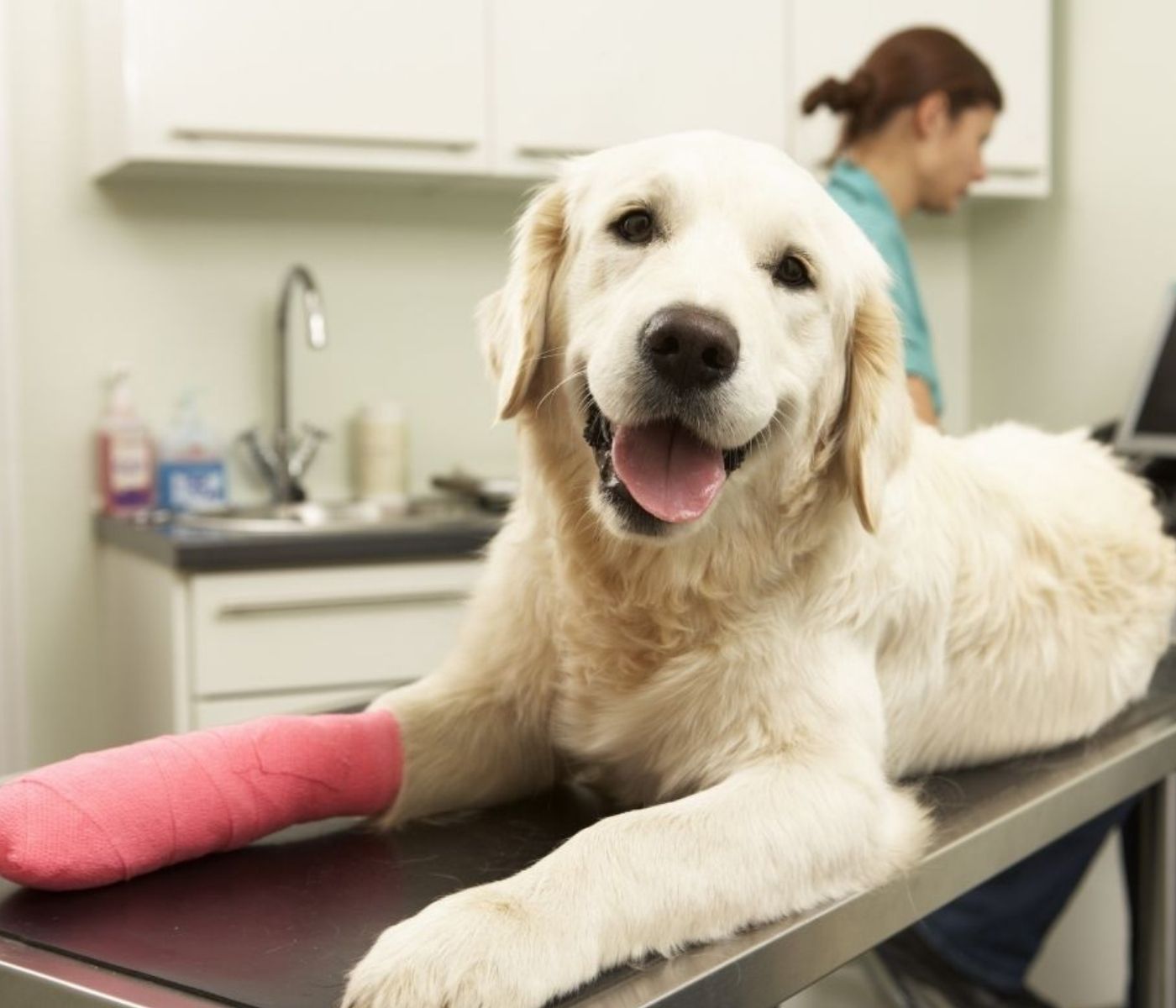
A golden retriever lies on a veterinary exam table, smiling, with a pink cushion under its front paws while a person in the background works near a computer and cabinets.

What to Expect From Pet Surgery

Surgical planning begins with an examination and review of your pet’s health history. Our veterinary team will provide preparation instructions, discuss the planned procedure, and answer your questions. Recommendations may vary according to the surgery and your pet’s age, condition, and individual risk factors.

Before Surgery

The veterinarian reviews your pet’s health and may recommend testing or other steps before determining whether it is appropriate to proceed.

After Surgery

Owners receive recovery and home-care instructions based on the procedure, incision, medications, activity limits, and expected follow-up.

Planning for Safety and Recovery

Surgical care continues from the initial evaluation through recovery at home.

Depending on the patient and procedure, veterinary diagnostics may provide helpful information before surgery. Individualized pet anesthesia planning is also an important part of surgical care. Explore our complete veterinary services for additional information about related care.

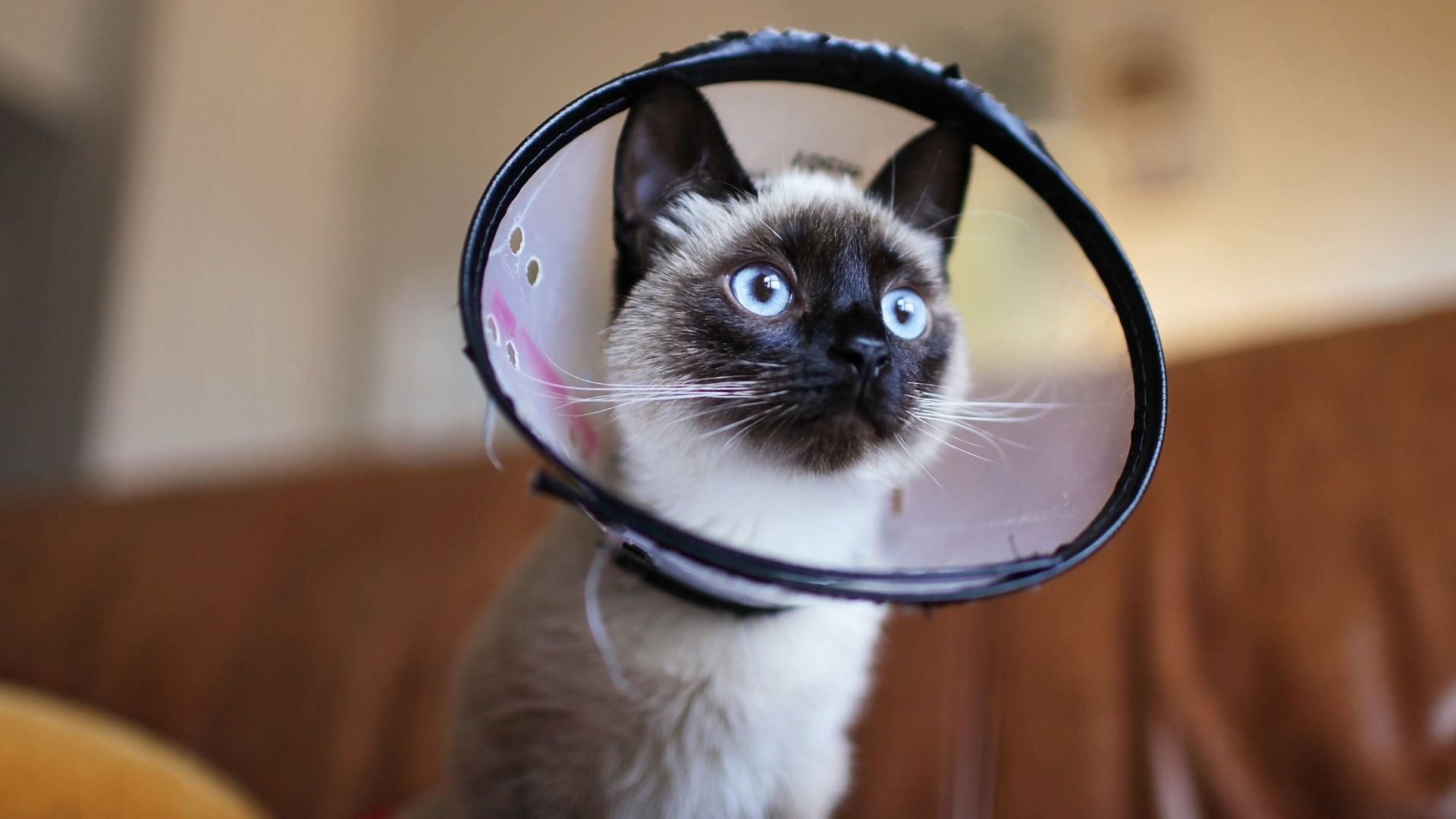
A Siamese cat with blue eyes wearing a black, circular collar that looks like a protective cone, staring forward from a wooden surface.

Pet Surgery FAQs

The details of surgery vary by procedure and patient. These answers address common questions about planning, anesthesia, recovery, and communication with the hospital.
What general surgery procedures does Village Veterinary Hospital perform?
K
L
General surgery services include procedures such as mass removals, foreign-body surgery, and cystotomy. The veterinarian must evaluate the individual patient and condition before determining whether a procedure can be performed at the hospital.
How should I prepare my pet for surgery?
K
L
Follow the preparation instructions provided by Village Veterinary Hospital. Directions may address food, water, medications, arrival time, and other details. Contact the hospital before the procedure if you are unsure about an instruction or if your pet’s condition changes.
Will my pet receive anesthesia during surgery?
K
L
General surgery typically requires anesthesia. The veterinary team evaluates the patient and develops an anesthesia plan based on the procedure and individual health considerations. The risks and planned precautions can be discussed before surgery.
How long will my pet need to recover?
K
L
Recovery time varies according to the procedure, the patient’s condition, and how healing progresses. Owners receive individualized instructions covering activity, medications, incision care, and follow-up. Contact the hospital if recovery does not match the expectations provided.
When should I contact the hospital after surgery?
K
L
Contact Village Veterinary Hospital if you have concerns about pain, appetite, behavior, medications, the incision, or any unexpected change during recovery. Follow the specific discharge instructions provided for your pet, including any directions for urgent concerns.