Spay & Neuter in Escondido, CA

Village Veterinary Hospital performs spay and neuter procedures for dogs and cats in Escondido, CA. Our veterinarians provide individualized recommendations, explain the procedure and recovery process, and help owners choose appropriate timing based on their pet’s health and development.

Why Spaying or Neutering Matters

Spaying or neutering prevents unwanted reproduction and may reduce certain reproductive health risks. The procedure can also influence some hormone-related behaviors, although results vary by pet. Because timing is not identical for every dog or cat, a veterinarian should consider species, breed, size, age, health, and development before making a recommendation.

A small light-colored dog lies on a patterned rug wearing a clear plastic cone around its head, resting and looking toward the camera in a softly blurred room.

What to Expect From the Procedure

Before surgery, our veterinary team will evaluate your pet and provide preparation instructions. Spay and neuter procedures require anesthesia, followed by a period of monitored recovery and continued healing at home. Owners receive instructions specific to their pet before leaving the hospital.

Individual Timing

Recommendations are based on your pet’s age, health, species, breed, size, development, and other relevant considerations.

Guided Recovery

Home-care instructions explain activity limits, incision protection, medications, monitoring, and when to contact the hospital with concerns.

Supporting Your Pet Before and After Surgery

Thoughtful preparation and attentive home care support a smoother recovery experience.

Spay and neuter planning may begin during puppy and kitten care or a routine pet wellness visit. Each patient receives individualized pet anesthesia care during the procedure. Additional information is available through our complete veterinary services.

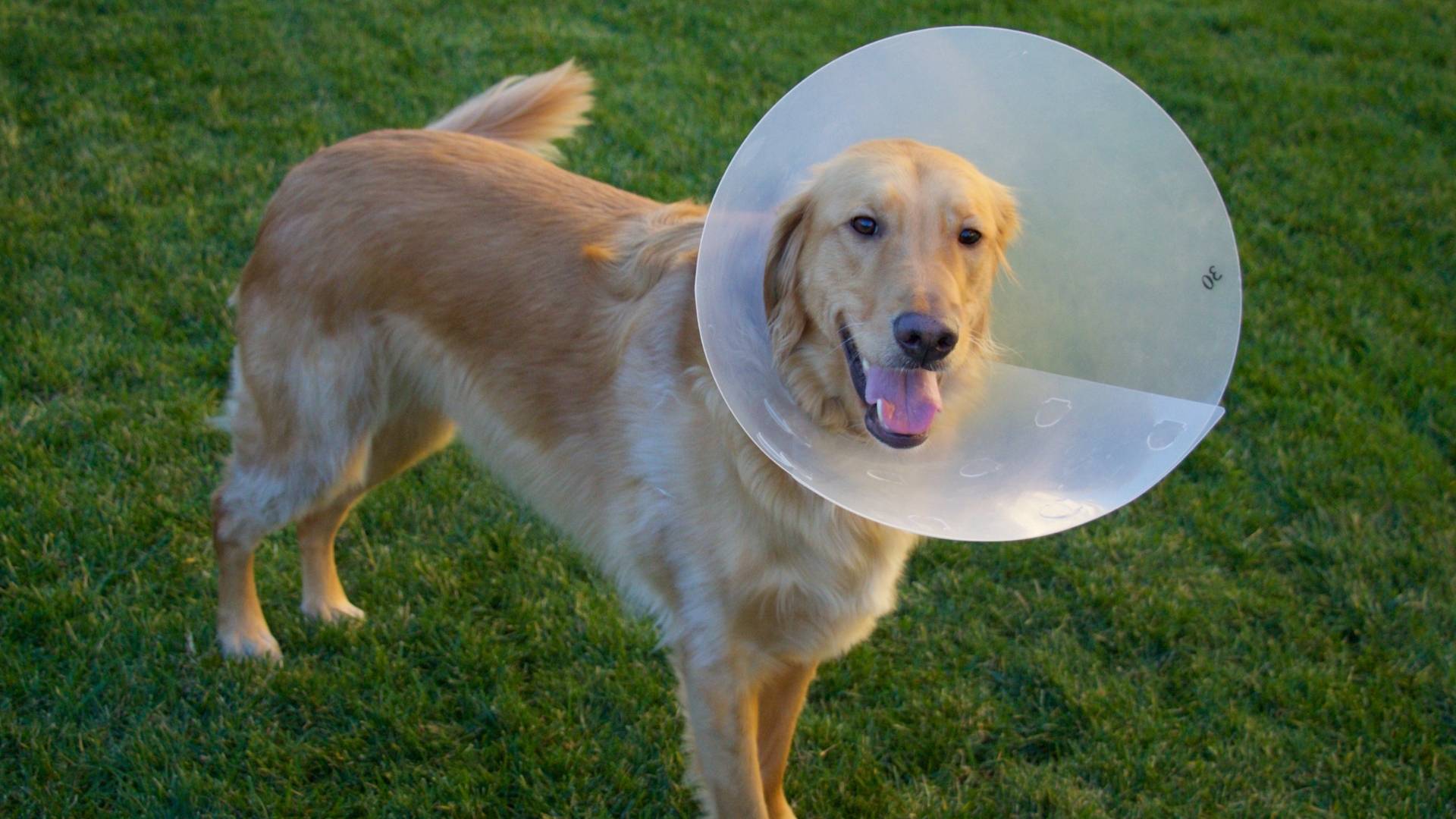
A light-colored dog wearing a large white plastic cone collar walks on green grass, tongue out and looking forward.

Spay and Neuter FAQs

Timing, preparation, and recovery can differ between patients. These answers provide general guidance for owners considering a spay or neuter procedure.

When should my dog or cat be spayed or neutered?
K
L
There is no single age appropriate for every pet. Timing may depend on species, breed, size, development, health, and lifestyle. A veterinarian can evaluate your dog or cat and recommend an individualized time for the procedure.
What are the benefits of spaying or neutering?
K
L
Spaying or neutering prevents unwanted reproduction and may reduce certain reproductive health risks. It may also affect some hormone-related behaviors, but behavioral outcomes are not guaranteed and can vary among individual pets.
How should I prepare my pet for the procedure?
K
L
Follow the hospital’s instructions concerning food, water, medications, and arrival time. Contact Village Veterinary Hospital before the appointment if your pet becomes ill, begins a new medication, or experiences another change that may affect surgery.
How can I help my pet recover at home?
K
L
Keep your pet’s environment calm, follow activity restrictions, protect the incision, and administer medications as directed. Prevent licking or chewing at the surgical area and contact the hospital if you notice a concerning change.
How long does recovery take?
K
L
Recovery varies based on the procedure and individual patient. Your veterinarian will provide expectations for activity, incision healing, medications, and follow-up. Continue restrictions for the full period recommended, even if your pet seems ready for normal activity sooner.